
No products in the basket.









Sale!
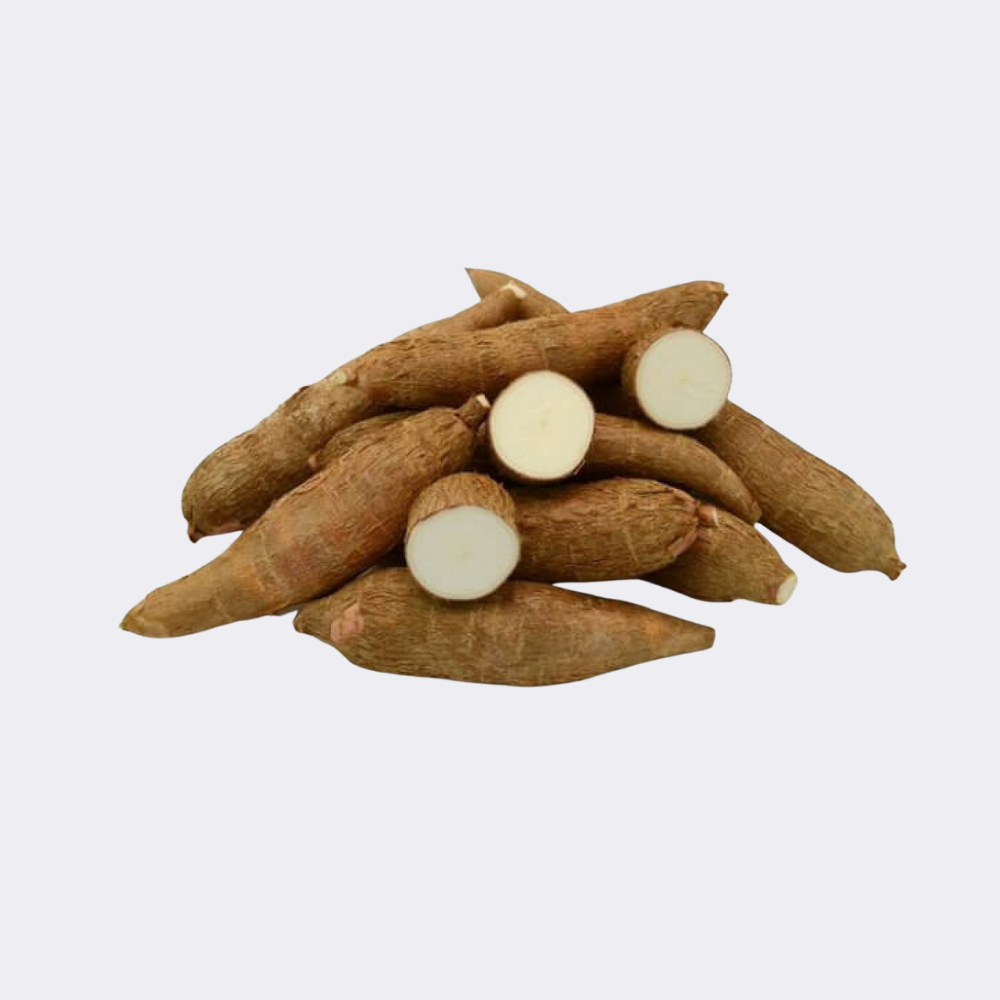
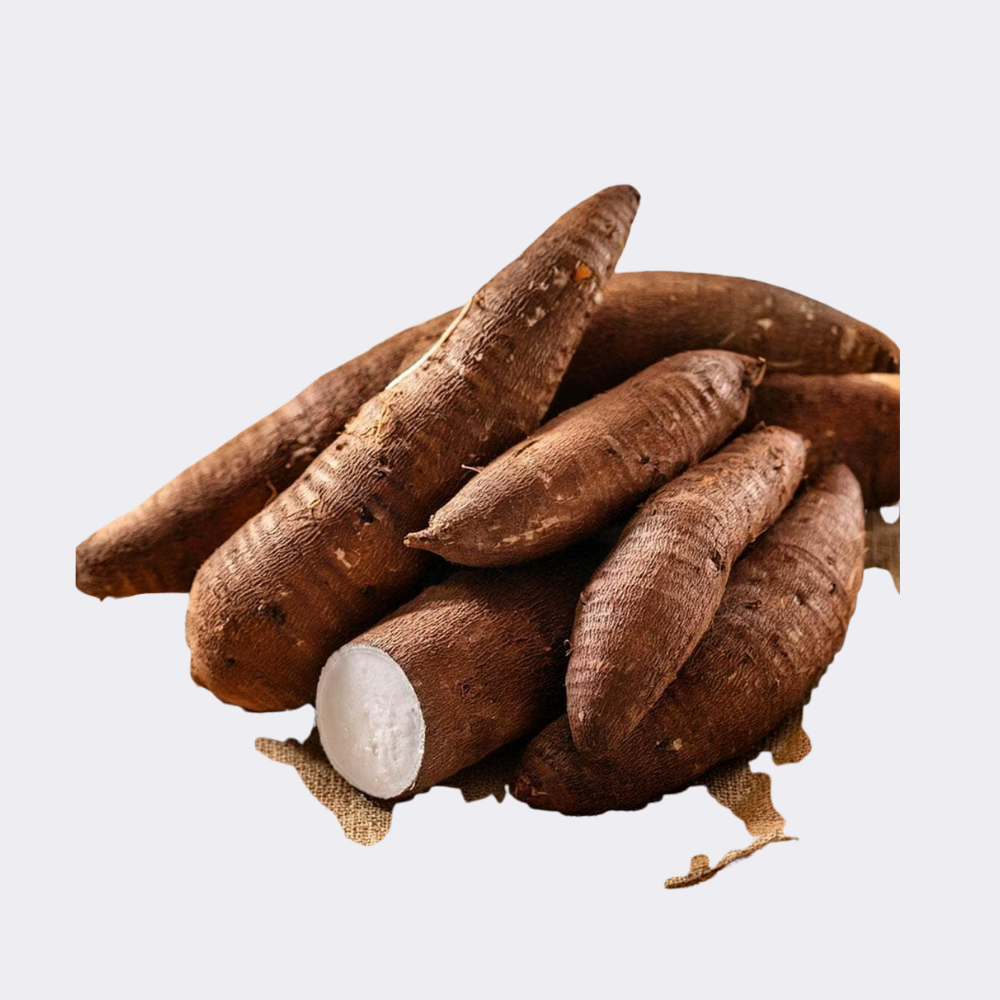
Cassava 1kg
Original price was: £3.70.£3.49Current price is: £3.49.
Cassava is a tropical root vegetable rich in carbohydrates and commonly used as a staple food. It can be boiled, fried, baked, or processed into flour and tapioca.
Cassava is a tropical root crop widely cultivated for its starchy, edible roots. Its scientific name is Manihot esculenta, and it belongs to the spurge family, Euphorbiaceae. Cassava is believed to have originated in South America and is now an important food crop across Africa, Asia, the Caribbean, and parts of Latin America. The plant is a woody shrub that can grow several feet tall, with distinctive palmate leaves divided into several narrow lobes.
The main part of the plant used for food is its large, elongated underground root. Cassava roots have a rough, brown outer skin and firm white, cream, or yellowish flesh. They are rich in carbohydrates, particularly starch, which makes cassava an important source of energy. Unlike potatoes, cassava can tolerate relatively poor soils and periods of drought, making it particularly valuable in regions where other staple crops may struggle to grow.
Cassava 1kg
Original price was: £3.70.£3.49Current price is: £3.49.Related products
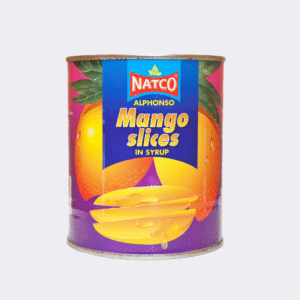
Mango Slices Alphonso
Price range: £4.00 through £8.00This product has multiple variants. The options may be chosen on the product page



 Home
Home  Whishlist
  Category
  Checkout
  Account
Reviews
There are no reviews yet.